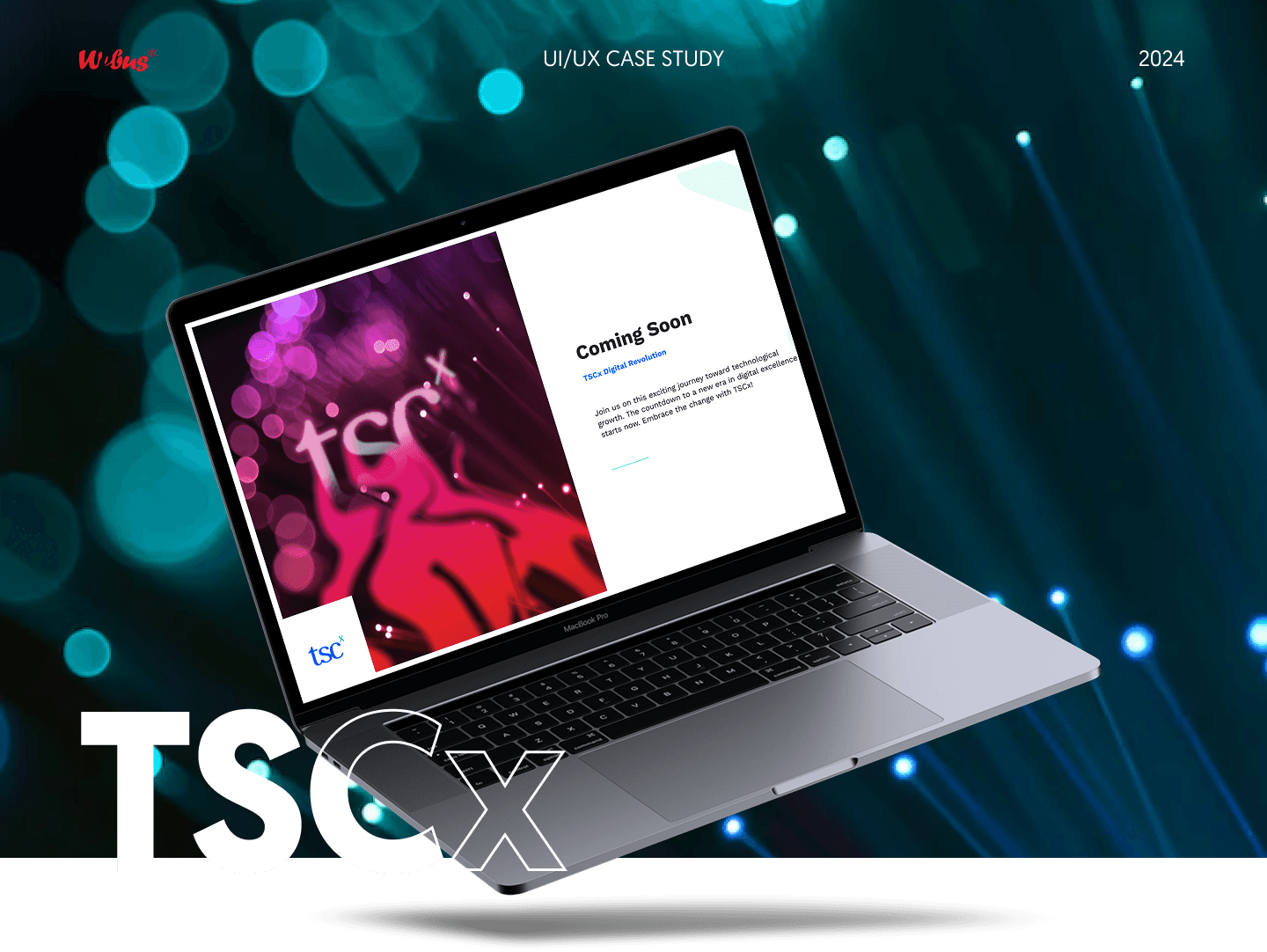
RBC Data Fabric Portal
We transformed fragmented, global data into a unified "Data Fabric," giving teams a single source of truth. The result was a dramatic reduction in data discovery time and a massive boost in governance compliance.

Year:
2024
Industry:
FinTech / Enterprise Banking
Team:
18 (Product, UX/UI, Data Eng, Security)
Live website:
rbc.com
The Problem
Being one of the world's largest banks means you generate an unfathomable amount of data. That’s the asset. The liability was the architecture holding it. Teams across personal banking, wealth management, and insurance were operating in parallel universes. A data scientist in Toronto might spend weeks building a dataset that a team in London had already finalized months ago. They just couldn't see it. Inconsistent management practices meant that even when you found a schema, you couldn't always trust it. We weren't dealing with a lack of data; we were dealing with a crisis of discoverability.

Solution
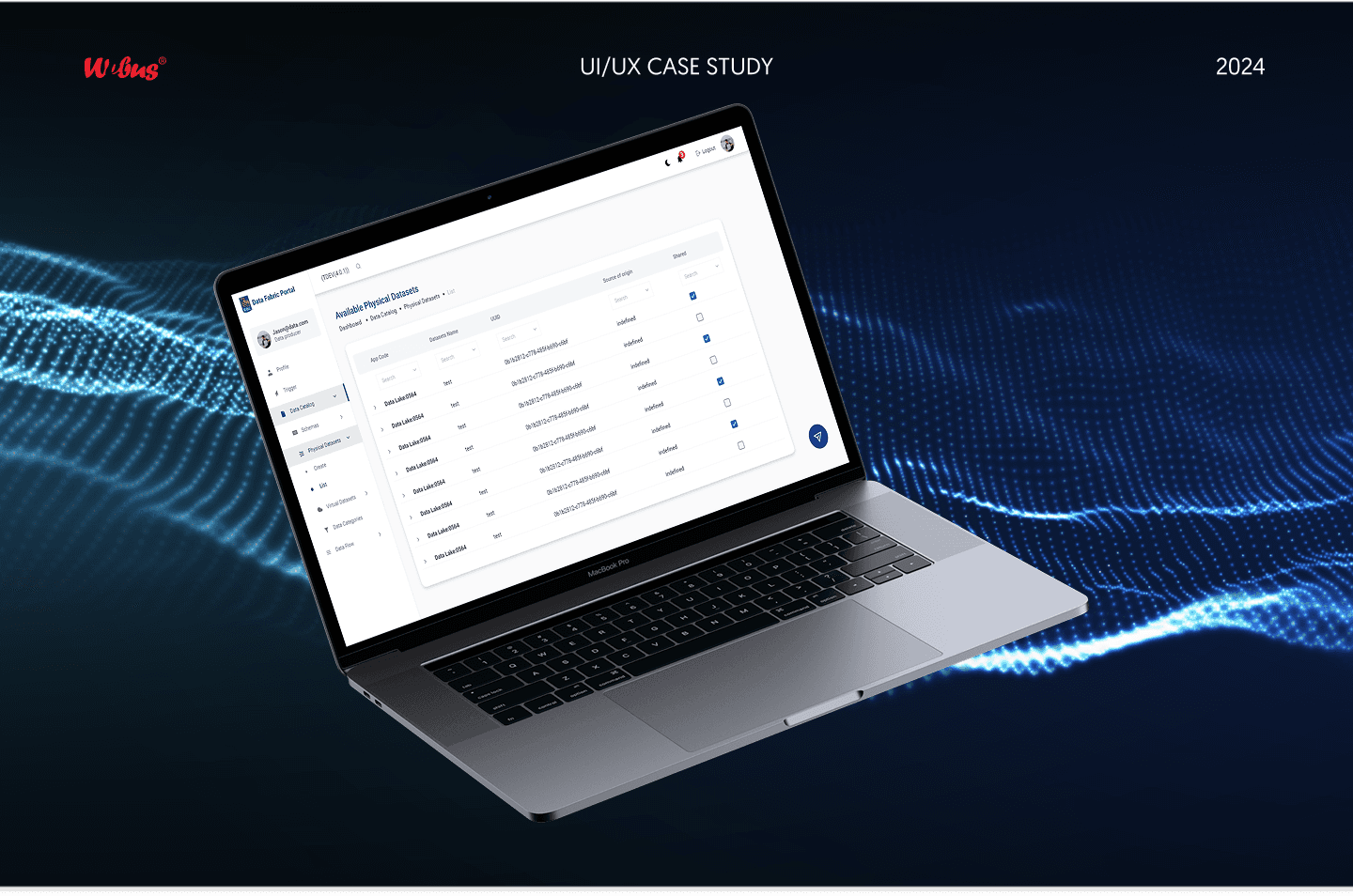
We built the "Data Fabric." Conceptually, we moved away from isolated vaults and created a woven network where access is centralized. We designed a web-based portal that acts as a search engine for the bank’s brain, indexing schemas, physical datasets, and virtual assets in one place. We applied modern e-commerce filtering principles to technical data assets, making complex querying feel intuitive. Why this worked: - Standardization as UI: By forcing a consistent visual language for data metadata, we made "governance" happen automatically. Users didn't have to read a manual to understand a dataset's lineage; the UI showed it to them. - Trust Signals: We borrowed from social proof psychology. We added clear "Certified" markers to validated datasets. This reduced decision paralysis, users stopped asking "Is this right?" and started working. - Breaking the Silos: By making the directory global by default, we shifted the culture from "hoarding" to "sharing."

Testimonial

David Chen
SVP, Data Strategy & Governance
More projects