Bitfront
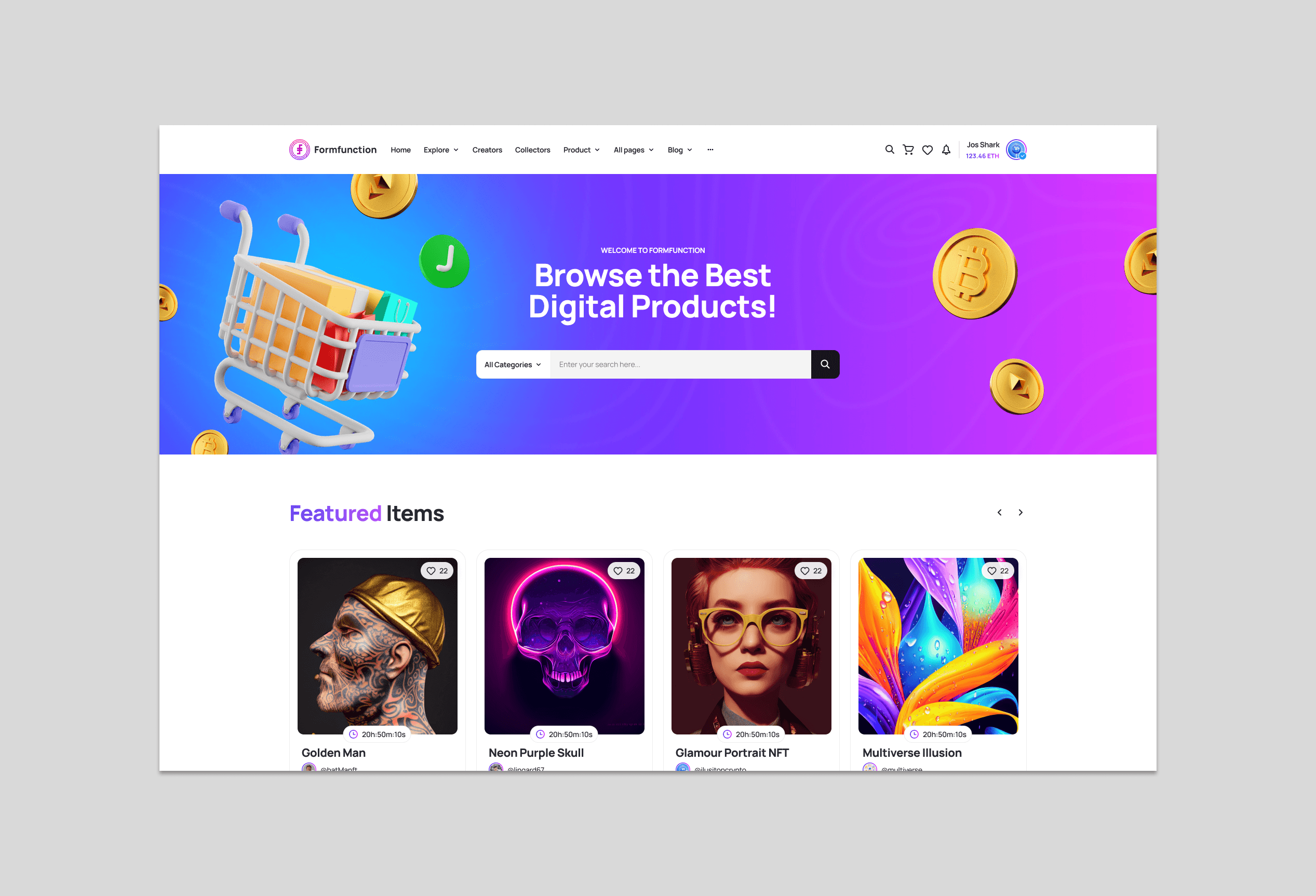
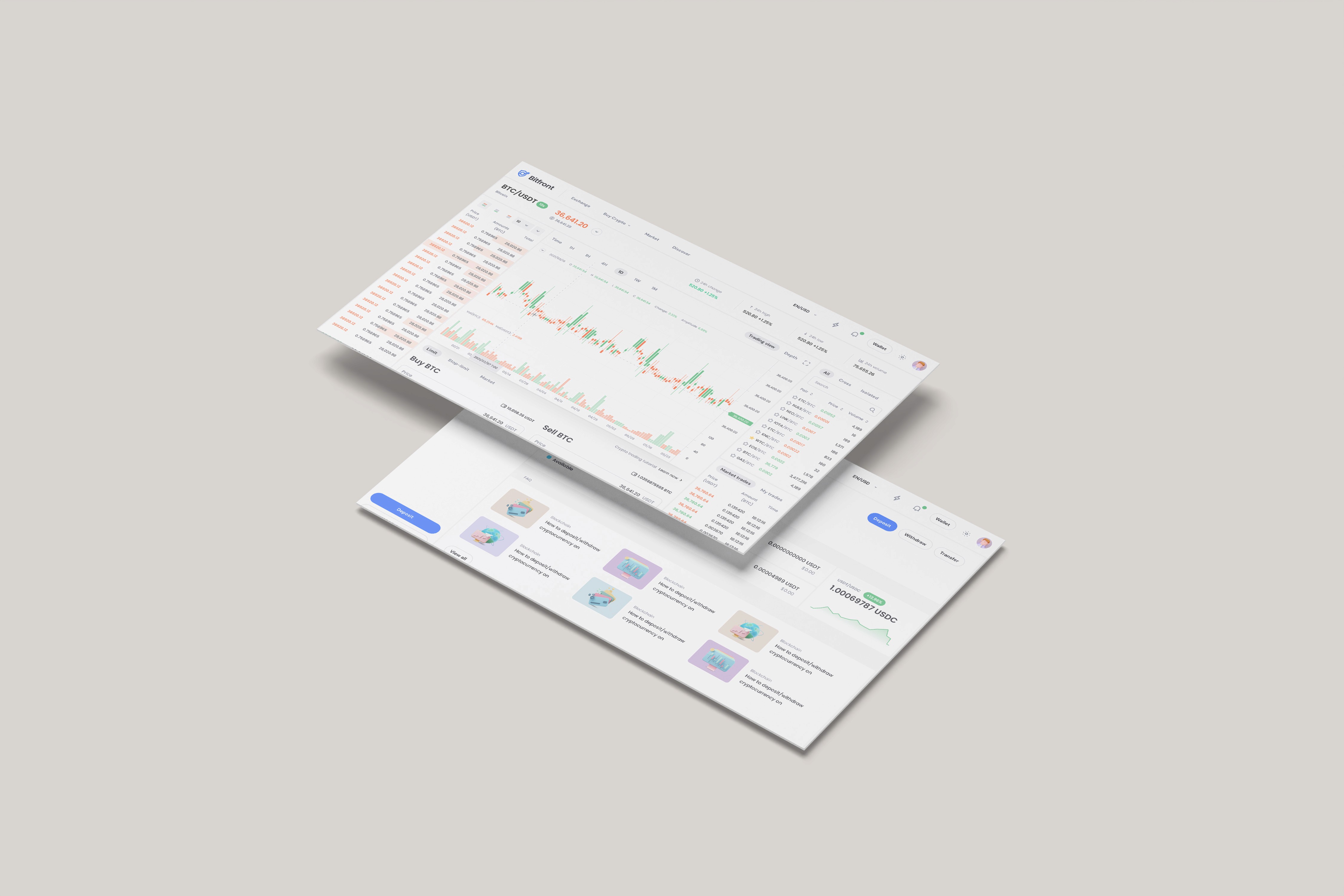
Crypto interfaces are notoriously intimidating; we made this one inviting. By swapping the industry-standard "dark mode" for a clean, illustrative aesthetic, we bridged the gap between casual buyers and professional traders.

Year:
2020-2023
Industry:
Fintech / Web3
Team:
UI/UX Strategy & Design
Live website:
Bitfront.com
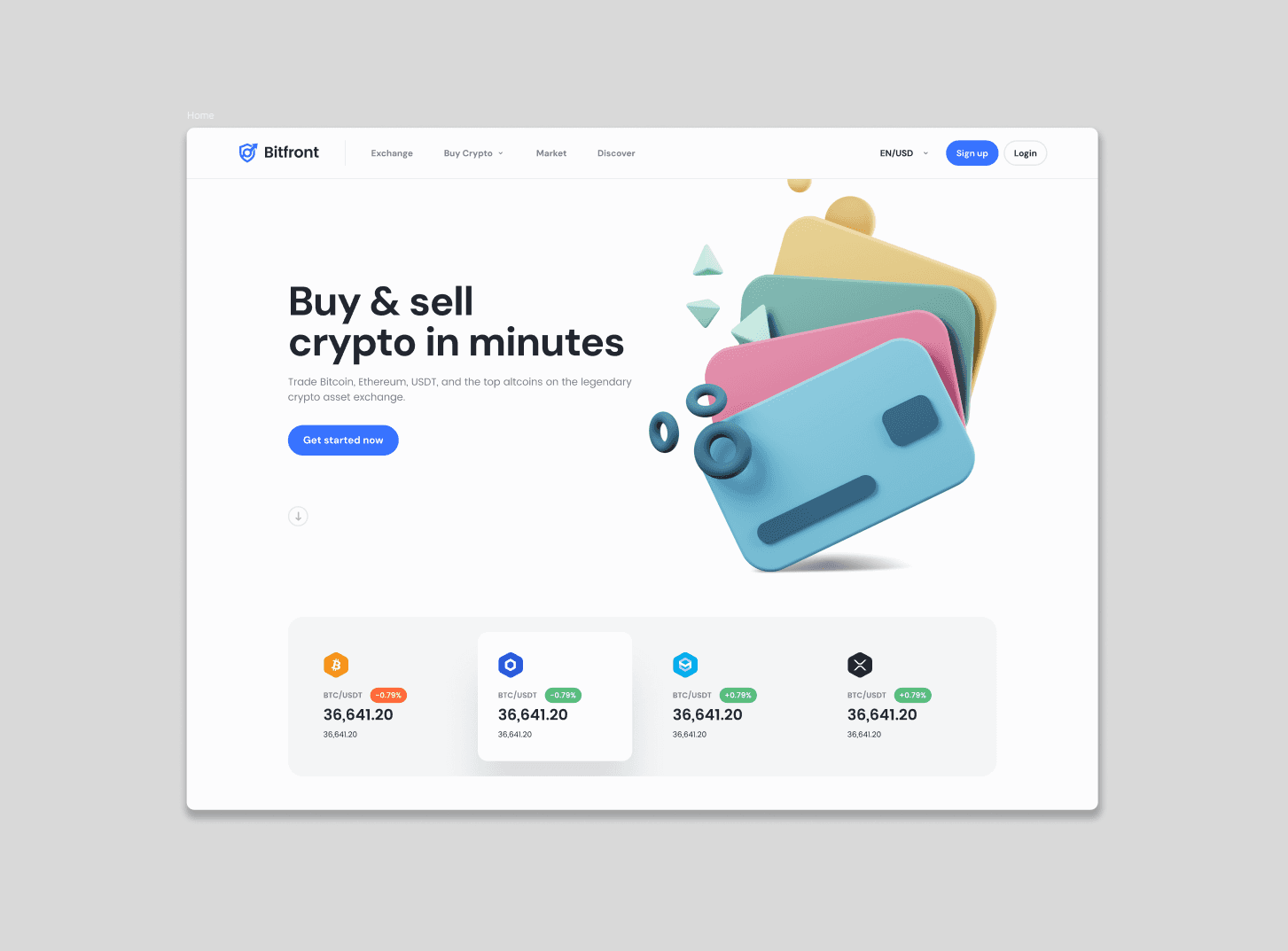
The Problem
Most crypto exchanges look like the cockpit of a sci-fi spaceship. You have dark backgrounds, neon chart lines, and flashing red tickers that scream danger. For a seasoned trader, that feels like home. But for a retail user trying to make their first transaction? It’s terrifying. The market lacked a middle ground. Users were forced to choose between oversimplified widgets that hid important data, or professional terminals that were impossible to decipher. Bitfront needed to capture the US retail market, and the existing design language was the biggest barrier to entry.
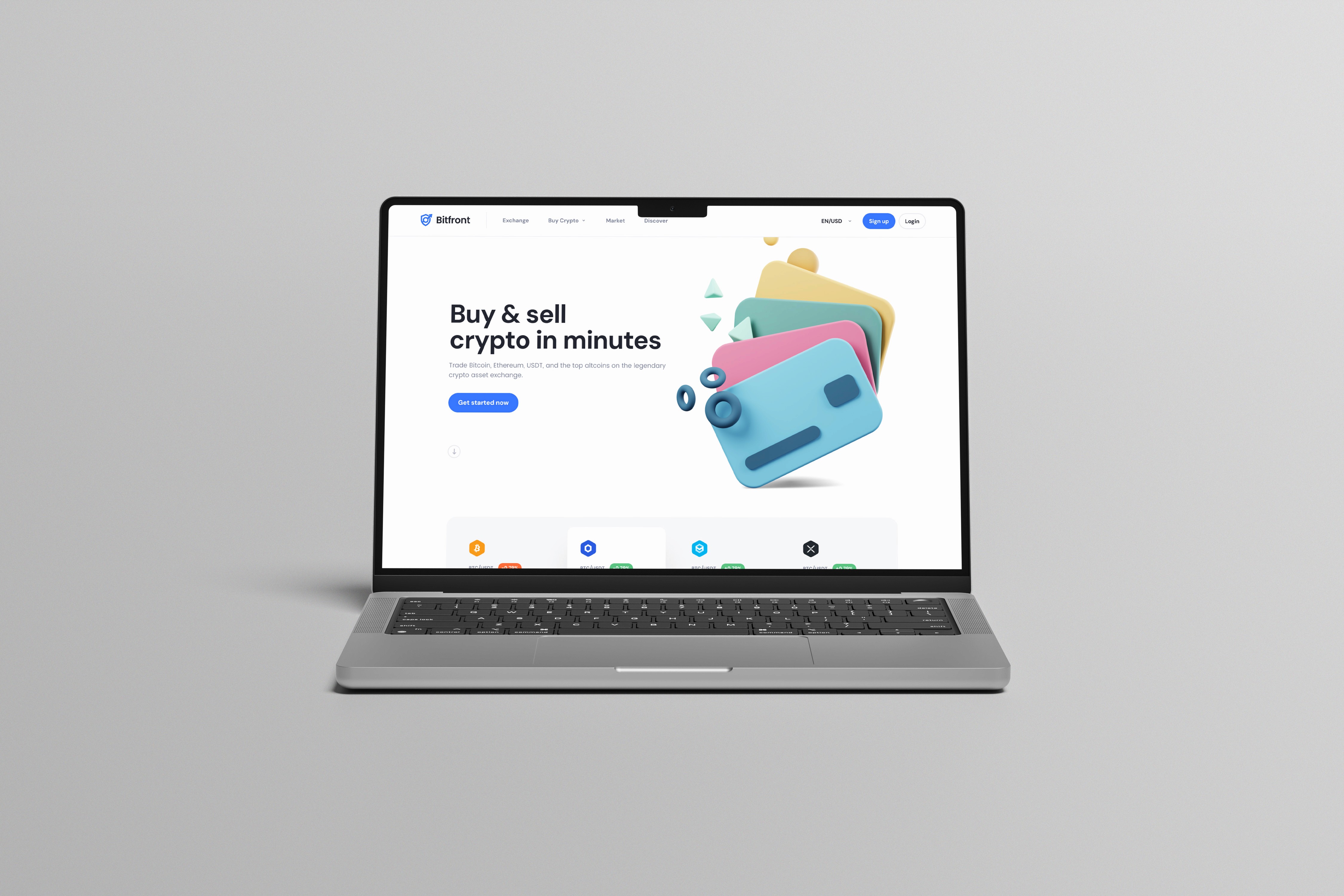
Solution
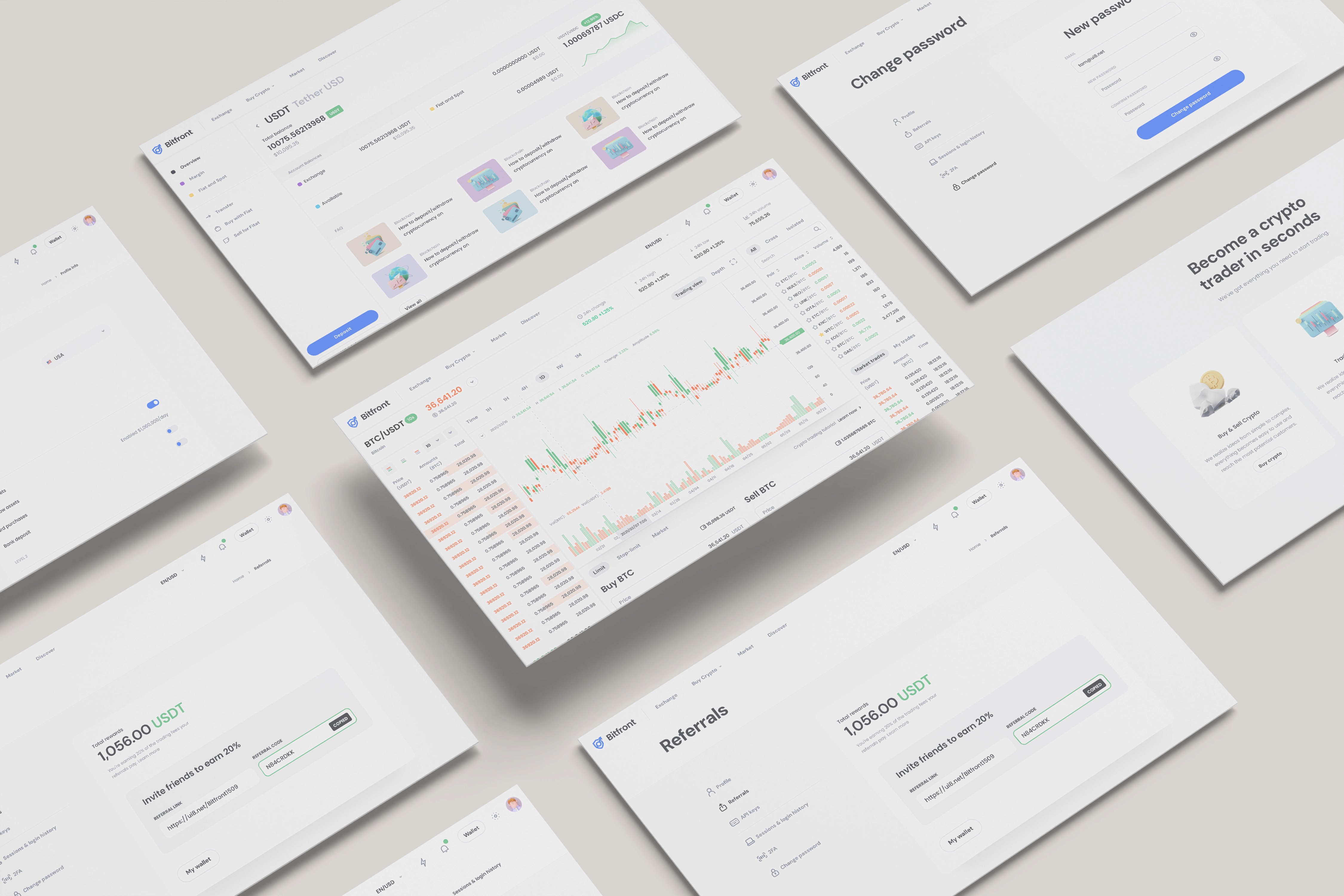
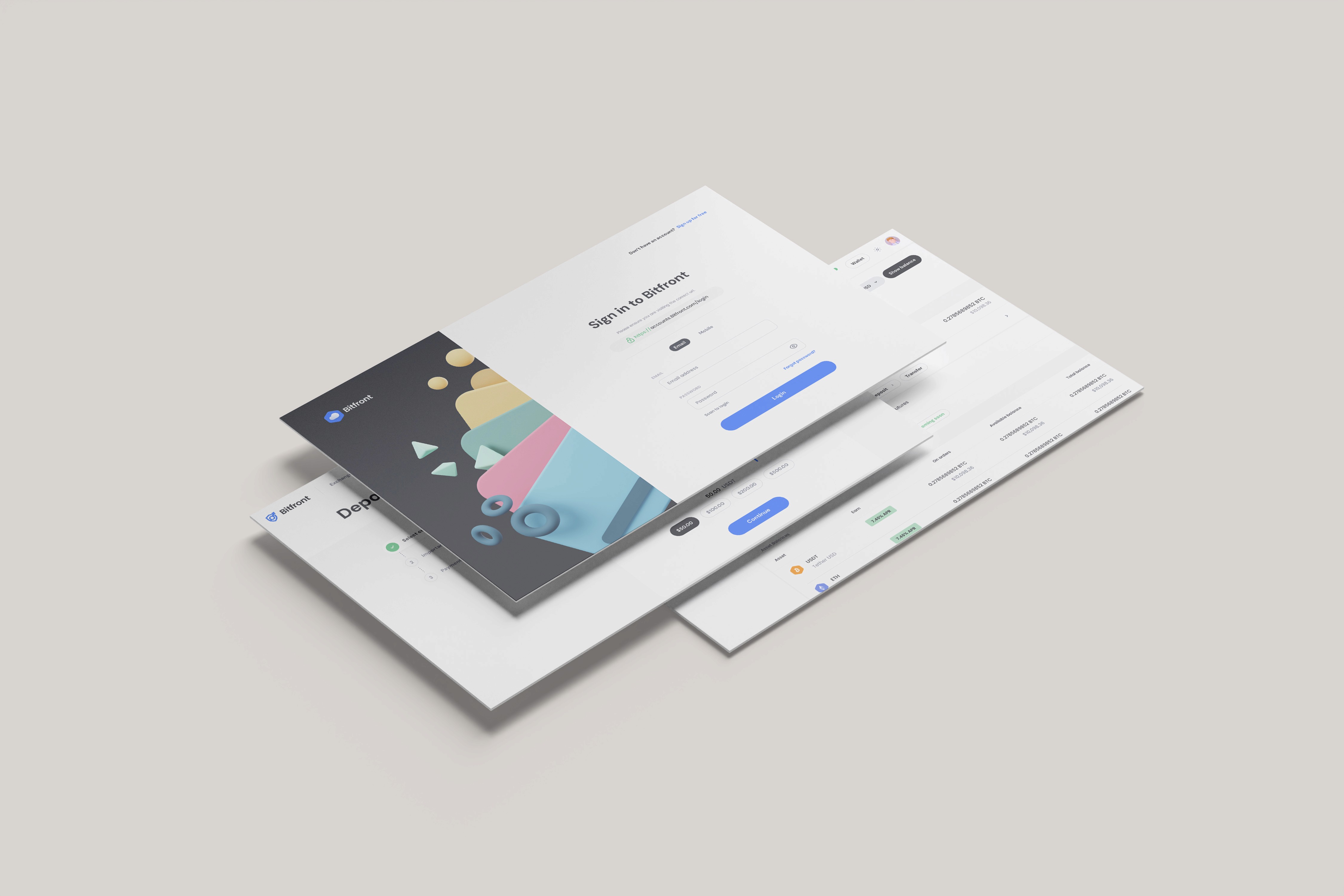
We went in the opposite direction of the market. instead of the brooding, hacker-centric dark mode, we established a bright, white UI system rooted in clarity. We introduced friendly 3D illustrations to soften the technical edges of blockchain technology. This wasn't just decoration. It was a strategic decision to make digital assets feel as safe and manageable as traditional e-commerce. We built a visual bridge, starting users on a friendly "Buy & Sell" widget and gradually introducing the professional trading terminal elements without shifting the visual language. Why this worked: Reduced Cognitive Load: The white space allowed the data to breathe, preventing the "analysis paralysis" common on dark, data-dense screens. Trust Signals: The illustrative style borrowed cues from established fintech apps, signaling stability rather than volatility. Progressive Disclosure: By unifying the aesthetic, users felt comfortable graduating from simple swaps to more complex trading views without feeling like they had changed platforms.
Testimonial

Jasica Bean
Design Retrospective
More projects